Why most regional marketing teams get stuck at “I’ve tried ChatGPT” — and what to do instead
Why most regional marketing teams get stuck at “I’ve tried ChatGPT” — and what to do instead

AI Adoption, AI Tools
There’s a gap between experimenting with AI tools and actually building a workflow your team uses every week. It’s not a knowledge problem. Here’s what’s really in the way — and the three shifts that change it.

Bee Bowman
Founder, AI Agent Bee
Published date
June 30, 2026
Time to read
What this article covers
The gap nobody talks about
Every regional marketing team we work with has tried AI. Usually ChatGPT. Usually for writing something — a social post, an email draft, maybe a product description. And usually, it was… fine. Not transformative. Just fine.
Then they went back to doing things the way they always had. Not because the tool was bad. Because there was no structure around how to use it — no decision about which tasks it would own, no workflow it sat inside, no team habit that made reaching for it feel natural.
This is the gap. And it’s not a knowledge gap. Most people understand what AI is. The gap is between understanding and adoption — between a one-off experiment and a working system.
Most AI conversations start with time savings. But if faster is all we’re chasing, we’re training AI to do our work quicker without ever asking whether the work itself is worth doing the same way.
Bee Bowman
Founder, AI Agent Bee
The gap nobody talks about
After working with regional marketing teams across a range of sectors, the same three patterns show up when AI doesn’t land. Understanding which one is in play for your team is the first thing worth getting clear on.
1. The tool has no job description
When AI is introduced as something to “try” rather than something to use for a specific task, adoption becomes optional. Nobody commits to an experiment. They commit to a workflow. If you haven’t decided that AI writes your first draft of every external email — not sometimes, every time — you haven’t built a habit. You’ve created an option.
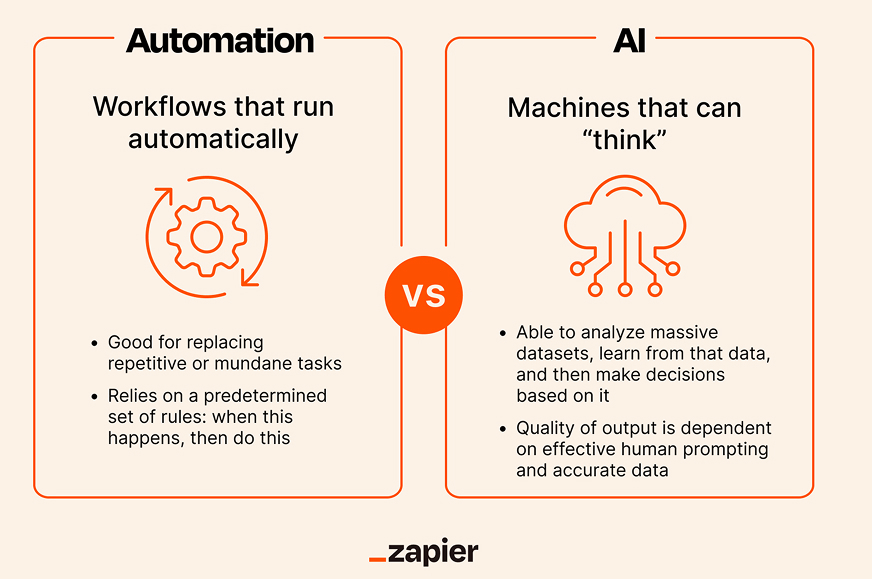
The difference between optional AI use and committed AI workflow. One is a tool in the drawer. The other is part of how the work actually gets done.
2. The results were inconsistent — and nobody investigated why
Inconsistent output is the second reason teams walk away. They got something useful once, then got something mediocre the next time, and concluded that AI was unreliable. The real issue in most cases was prompt quality — not the tool itself. When you haven’t established what a good prompt looks like for your specific type of work, you get variable results. That’s a structure problem, not a capability problem.
Worth Knowing
Inconsistent AI output is almost always a prompting problem, not a tool problem. One well-constructed prompt template — specific to your work — is worth more than ten different AI tools tried once each.
3. It was one person’s experiment, not the team’s system
The third pattern is the most common in small regional marketing teams: one person — usually the most curious or tech-comfortable person — tried some things and got results. But that knowledge stayed with them. The rest of the team didn’t adopt it because they didn’t see it as relevant to their work, or didn’t feel confident enough to try it on their own.
AI adoption that stays with one person is fragile. When that person is on leave, or leaves the organisation, the whole experiment leaves with them. Structured adoption means the team has shared workflows, shared prompts, and shared confidence — not just one internal champion.
AI adoption that stays with one person is fragile. When that person leaves, the experiment leaves with them.
Bee Bowman
Founder, AI Agent Bee
The three shifts that change it
Getting from “we’ve tried it” to “we use it” reliably requires three things to shift — not just one.
- From optional to committed. Assign AI a specific job in your workflow — one task, consistently. Start with the highest-volume, lowest-stakes task your team does. First draft of social content is a good place. Monthly reporting summaries is another.
- From prompting to templating. Stop writing new prompts every time. Build a small library of proven prompt templates for your most common tasks. Ten good templates used consistently outperform a hundred experiments that go nowhere.
- From individual to team. Share what’s working. Run a short team session where the person using AI shows everyone else exactly how they do it — step by step, with real examples. Not a training session. Just a “here’s what I actually do” conversation.
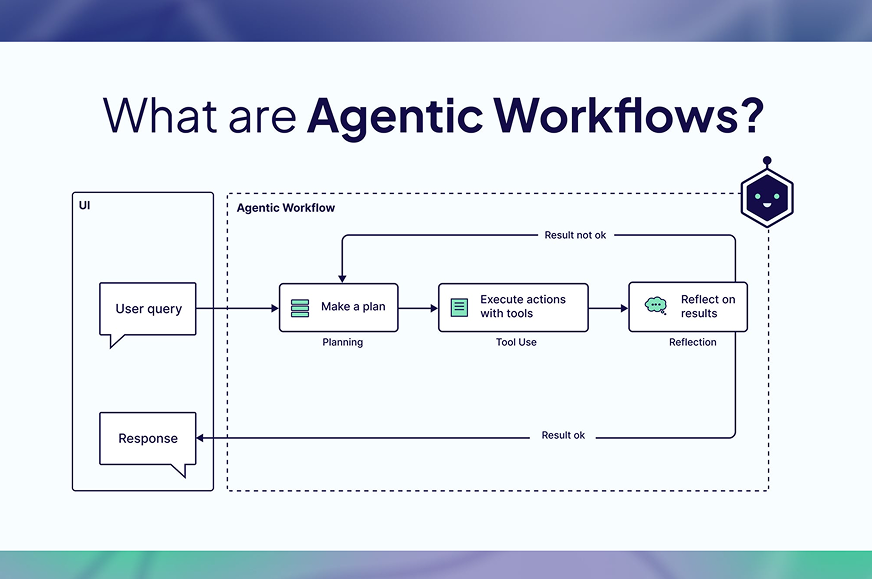
Shared workflows and prompt templates are what turn individual AI use into team capability. The goal is a system the whole team runs, not one person’s workaround.
What it actually looks like when it’s working
A regional marketing team with working AI adoption doesn’t look dramatically different from the outside. They’re not necessarily using more tools or doing more things. What’s changed is that certain tasks are reliably faster, more consistent, and less mentally draining — which frees up energy for the work that actually requires human judgment.
The test we use at AI Agent Bee is simple: will your team reach for AI without thinking about it, the same way they reach for a spell-checker? If yes, adoption has happened. If they’re still deciding each time whether to try it, it hasn’t.
The test is simple: will your team reach for AI without thinking about it, the same way they reach for a spell-checker?
Bee Bowman
Founder, AI Agent Bee
The starting point
If your team is stuck at “we’ve tried ChatGPT,” the first move isn’t to try more tools. It’s to pick one task, assign it to AI permanently, and build the prompt template that makes it work consistently. Do that for four weeks. Then add the next task.
That’s not a glamorous strategy. But it’s the one that actually results in a team that uses AI — rather than a team that once tried it and moved on.
If you’re not sure which task to start with, the AI Readiness Scan is a useful first step. It shows you where your team is losing the most time — which is usually where the highest-value AI workflow lives.
Ready to go further?
Turn what you’ve read into a system your team actually uses.
Start with the free Readiness Scan to find out where your team sits. Or come to a Foundations Workshop and leave with a working plan for Monday morning.

Share this article

Author
Bee Bowman
I’ve spent the last 10 years working with regional businesses across Albury-Wodonga and Wagga Wagga through Digital Marketer Bee. AI Agent Bee is my answer to the gap nobody else was filling — practical AI capability for regional marketing teams, built from scratch for how regional businesses actually work.
Related articles





Free Resources
AI Readiness Scan
Not sure where your team sits with AI? 3 minutes and you’ll know — plus a clear recommended next step.
Intro to Agentic AI
A free 90-minute session in person. Come and see what structured AI adoption actually looks like before you commit to anything.
Events & Workshops
All upcoming sessions in one place — Albury-Wodonga, Wagga Wagga, and wherever we
head next.
Free · 3 minutes
Not sure where your team actually sits with AI?
The Readiness Scan shows you exactly where you are — and what a sensible next step looks like. No jargon, no pressure.
Results land in your inbox straight away.